

Tooth-coloured fillings in Warners Bay
Signs you may benefit
- Sensitivity to sweet, hot or cold foods
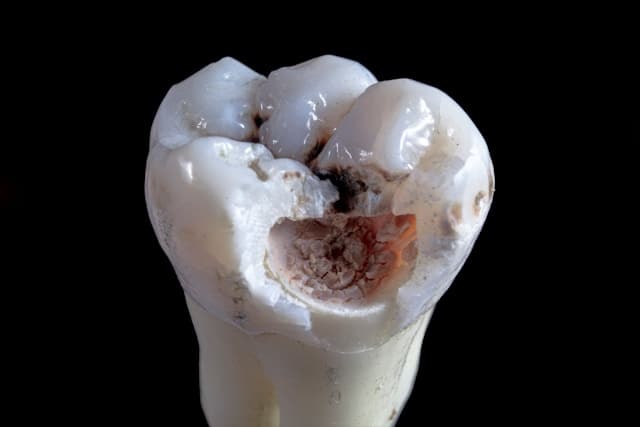
- Visible holes, brown spots or chips on a tooth
- Floss snagging or shredding between specific teeth
- An old silver (amalgam) filling that has cracked or has dark margins
- A small chip on a front tooth from a knock
What a modern filling looks like
A composite filling is a tooth-coloured resin that's bonded directly to the tooth. Unlike older silver (amalgam) fillings, which relied on mechanical retention and required undercuts to be cut into healthy tooth, composites bond chemically to enamel and dentine. That means we can be much more conservative about what we remove.
The result is a filling that looks like the tooth around it, restores chewing function on the day, and preserves more of the tooth's natural structure for the long term.
When a filling is the right tool
Fillings are appropriate when:
- The cavity is small to moderate
- Enough healthy tooth structure remains to support a bonded restoration
- The tooth's nerve is healthy
- The bite forces on the tooth aren't excessive
When the cavity is very large, when one or more cusps are missing, or when the tooth is heavily worn, an onlay or crown is usually a more durable choice. We'll always tell you when we think a filling is going to be a short-term fix.
How a composite filling is placed
After numbing the tooth (we use gentle topical anaesthetic before any injection), we remove only the decayed or unsupported tooth structure. The cavity is etched and bonded with a primer, then composite resin is added in thin layers — each one shaped, light-cured and shade-matched. The final filling is contoured to the tooth's natural anatomy, the bite is checked, and the surface is polished to a smooth finish.
The whole process for a single filling typically takes 30–45 minutes. You can usually eat and drink as soon as the anaesthetic wears off.
What about old amalgam fillings?
We don't place amalgam (silver) fillings any more. The reasons are mainly clinical — bonded composites preserve more tooth structure, look better, and let us treat a cavity without cutting healthy enamel — rather than safety. Sound, well-sealed amalgam fillings already in your mouth are generally fine to leave alone unless there's a clinical reason to replace them.
We'll give you our honest opinion on each one at your check-up — replace, monitor, or leave it alone — and never recommend wholesale replacement just because they look dark.
After your appointment
It's normal to experience:
- Mild cold sensitivity for a few days, especially after deeper fillings
- Slight tenderness when chewing on that tooth for a few days
- A different feel as your tongue gets used to the new shape
If a filling feels noticeably high when you bite, give us a quick call — a small adjustment is usually all it takes to settle it down.
Stopping the next cavity
A filling treats the cavity that's there but doesn't address what caused it. Sugar exposure, dry mouth, snacking patterns, fluoride use, and the time between brushing and bed are usually more important than people realise. We'll review these at every check-up so we can prevent the next filling, not just place it.
What to expect
Diagnosis
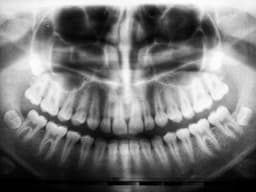
We confirm the cause and extent of the cavity or chip with a clinical examination and, where indicated, a small X-ray. Sometimes early decay is best monitored or remineralised rather than filled — we'll talk through the options.
Anaesthetic and isolation
The tooth is gently numbed and isolated so it stays clean and dry — bonding to a contaminated surface is the most common reason fillings fail.
Decay removal
Only the decayed or unsupported tooth structure is removed. Healthy enamel and dentine are preserved.
Bonding and layering
Composite resin is bonded into the tooth in carefully shaded layers to match the colour, translucency and shape of the surrounding enamel.
Polishing and bite check
The filling is shaped, the bite is checked and any high spots adjusted, and the surface is polished to a natural finish.
What to consider
- Very large cavities, fractures involving the cusps, or teeth with structural compromise are usually better served by an [onlay](/services/ceramic-onlays-crowns) or [crown](/services/crowns-bridges) than a large filling.
- Some teeth with deep cavities may develop nerve symptoms after a filling and require [root canal therapy](/services/root-canal-therapy).
- Composite fillings can stain, chip or wear over time, particularly in patients who grind, drink lots of coffee or smoke.
- Mild cold sensitivity for a few days after a deep filling is normal.
- A filling treats the cavity but doesn't address why it formed — diet, hygiene and recall are all part of preventing recurrence.
All dental procedures carry risks. Suitability, treatment options, duration, costs and potential complications should be discussed with a registered dental practitioner. Individual results vary. Information on this page is general and not a substitute for personalised clinical advice.
Frequently asked questions
- A standard one-surface composite filling starts from around $190. Larger or multi-surface fillings on back teeth typically range from $260–$420 depending on size and complexity. We provide a clear quote before any treatment, and most filling fees attract a health-fund rebate.
Related services
Ceramic onlays
Ceramic onlays restore heavily damaged back teeth while preserving more healthy tooth than a full crown — a precision-milled porcelain restoration bonded over the chewing surface to rebuild strength and shape.
Read moreRoot canal therapy
A modern, well-tolerated treatment that can save a tooth with infected or inflamed nerve tissue — relieving pain and avoiding extraction. Performed under local anaesthetic with magnification and rotary instrumentation.
Read moreDental check-ups & cleans
Comprehensive examinations and professional cleans designed to keep teeth, gums and the surrounding tissues healthy — and to catch problems early, while they're still small and inexpensive to treat.
Read more


Ready to discuss tooth fillings?
Book a consultation with our Warners Bay team. We'll talk through your goals, the options available and any risks before you decide.