

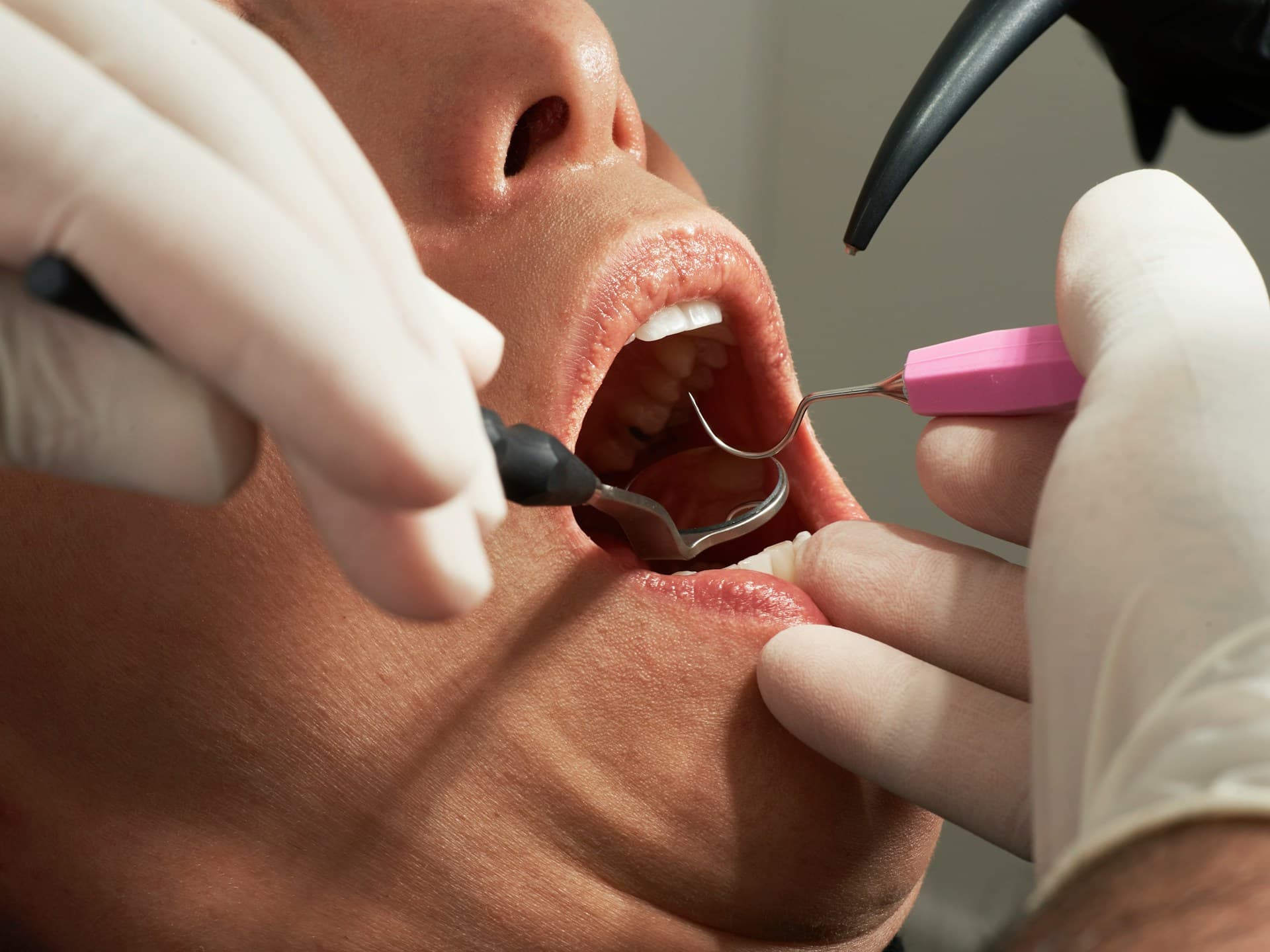
Dental check-ups & cleans in Warners Bay
Signs you may benefit
- It has been more than 6–12 months since your last check-up
- Bleeding gums when brushing or flossing
- Visible plaque or staining at the gum line
- Sensitivity to hot, cold or sweet foods
- A recent change to medication or pregnancy
- An upcoming wedding, formal or photoshoot
Why a regular check-up still matters
Most dental problems start small and quiet. Decay, gum inflammation, cracks, grinding wear and early signs of more serious conditions like oral cancer rarely cause pain in their earliest stages. By the time something hurts, the simplest, cheapest and least invasive options have usually passed.
A six-monthly check-up isn't about finding fault — it's about catching change early, while you still have every option on the table.
What's included in a comprehensive exam
A check-up at Smile Star Dental is a structured clinical examination, not a quick look. We assess:
- Teeth — checking each tooth for new decay, wear, fractures, and the integrity of existing fillings, crowns and veneers.
- Gums — measuring gum pocket depths and bleeding patterns to detect early gingivitis or established periodontitis.
- Bite & jaw joints — checking how teeth come together and looking for signs of bruxism, clenching or jaw joint dysfunction.
- Soft tissues — a careful screen of the lips, cheeks, tongue, palate and throat for ulcers, lumps, white or red patches that warrant follow-up.
- Existing dental work — making sure crowns, bridges, dentures and implants are still doing their job.
Where it adds clinical value, we use intraoral photographs and digital X-rays so you can see what we see.
The professional clean
Even with great brushing and flossing at home, plaque hardens into tartar that simply can't be removed with a toothbrush. Tartar harbours the bacteria that drive gum inflammation and decay at the gum line.
We use modern ultrasonic and gentle hand instruments to remove tartar above and just below the gum line, finishing with a polish to leave teeth feeling smooth. Where pockets are deeper or there's established gum disease, we'll move you to a more focused gum disease treatment and gum maintenance program.
Personalised home care
Brushing technique, the right interdental tools, the right toothpaste, the right mouth rinse (if any) — none of these are one-size-fits-all. Part of every check-up is a few minutes of personalised coaching: what's working, what could be tweaked, and any specific tools that suit your mouth.
A clear plan, not a sales pitch
If we find something that needs attention, you'll get a clear written plan with the options, the rationale, the risks and a fee estimate before any decision is made. We'd much rather a confident "yes" or "let's wait" than a quick "yes" you regret later.
What to expect
Health history and goals
We review your medical history, medications, dental history and what's important to you — comfort, aesthetics, function or all three.
Comprehensive examination
We check teeth, existing fillings, gums, the bite, jaw joints, and the soft tissues for early signs of cancer or other concerns.
Imaging where indicated
Low-dose digital X-rays are taken when needed to look between teeth and below the gum line. Pregnancy is screened first and unnecessary imaging avoided.
Professional clean
Plaque and tartar are removed using gentle ultrasonic and hand instruments, followed by a polish to leave teeth feeling smooth.
Findings and plan
We walk through any findings using intraoral photographs, give you a clear written treatment plan with options, and book your next preventive visit.
What to consider
- Cleaning is generally comfortable, but mild gum sensitivity for 24–48 hours can occur — particularly if it has been a while between cleans.
- Professional cleans remove tartar that can't be removed at home; without ongoing recall, gum disease can re-progress.
- X-rays are not taken at every visit — only when clinical findings indicate they'll add value.
- Treatment recommendations always include risks and alternatives so you can make an informed choice.
All dental procedures carry risks. Suitability, treatment options, duration, costs and potential complications should be discussed with a registered dental practitioner. Individual results vary. Information on this page is general and not a substitute for personalised clinical advice.
Frequently asked questions
- For most adults, every six months works well. Patients with a history of gum disease, high decay rates, complex restorations or specific medical conditions may benefit from 3–4 monthly recalls. We'll set the right interval together at your first visit.
Related services
Gum health maintenance
Structured 3–4 monthly maintenance visits designed for patients who've had gum disease — keeping the disease stable, the bone protected, and the result of your treatment intact for the long term.
Read moreGum disease treatment
Bleeding, receding or unstable gums respond well to early, structured treatment — and addressing gum disease early is one of the most important things you can do to protect both your teeth and your general health.
Read moreTooth fillings
Modern composite fillings repair decayed, chipped or worn teeth using tooth-coloured resin that bonds directly to the remaining tooth — restoring both appearance and function in a single visit.
Read more



Ready to discuss dental check-ups & cleans?
Book a consultation with our Warners Bay team. We'll talk through your goals, the options available and any risks before you decide.