

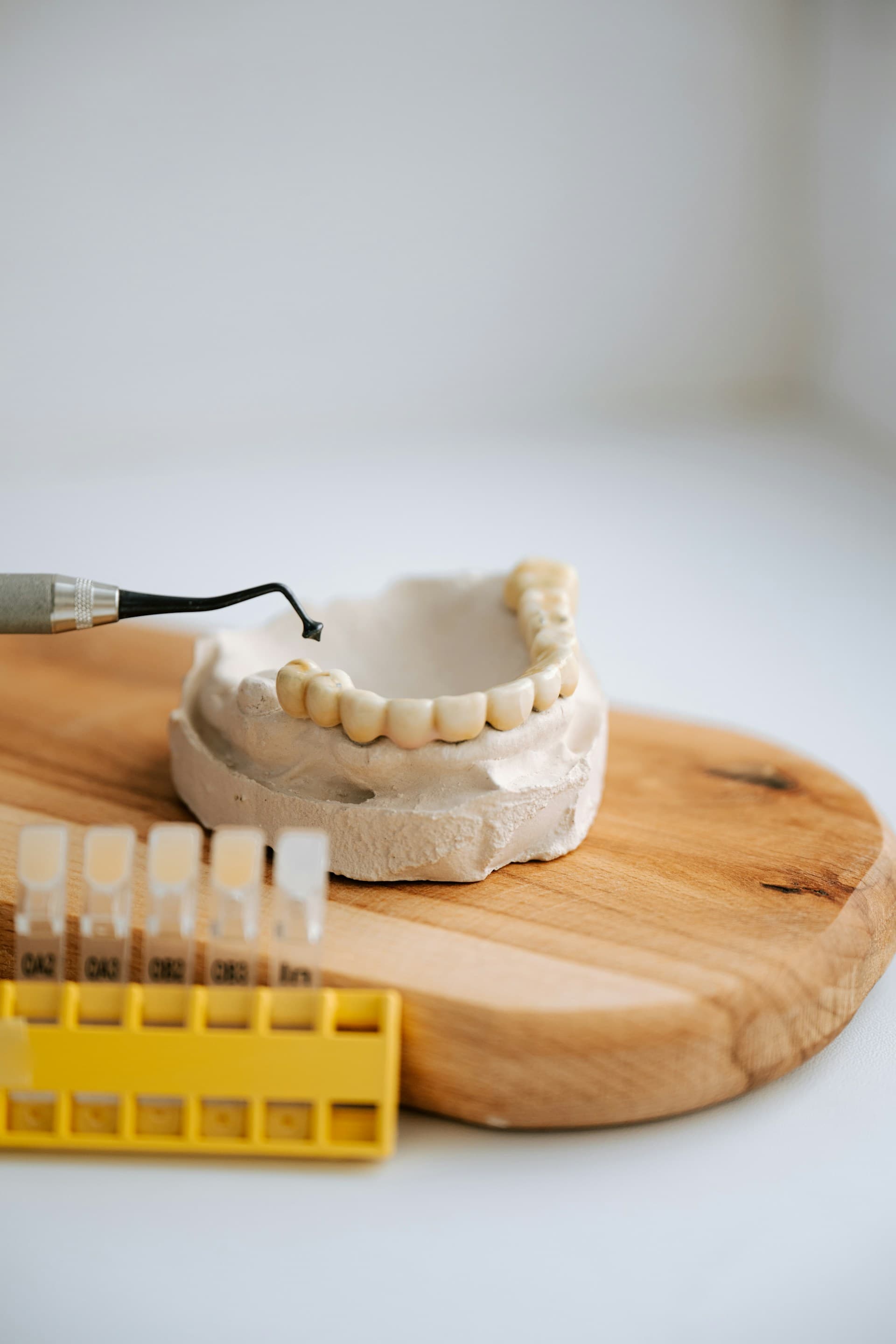
Ceramic onlays in Warners Bay — a conservative alternative to crowns
Signs you may benefit
- A back tooth with a large filling that's failing
- A cracked back tooth that hurts when chewing
- A cusp that has broken off but the rest of the tooth is healthy
- Looking for a more conservative option than a full crown
- Replacing a worn or fractured crown with a more natural-looking restoration
Why an onlay can beat a full crown
When a back tooth has lost a cusp, has a failing large filling, or has cracks running through the chewing surface, the traditional answer was always a full crown — shaving the entire tooth down to a peg and capping it. That works, and we still place full crowns when they're the right answer.
But there's a more conservative middle ground: a ceramic onlay. Onlays cover only the damaged parts of the tooth — typically the chewing surface and any broken cusps — and bond to the side walls of the tooth that are still healthy.
The result is a restoration that's almost as strong as a crown, looks better, and preserves significantly more of your natural tooth for the long term.
When an onlay is the right tool
Onlays suit teeth where:
- One or more cusps are broken or failing, but the rest of the tooth is structurally sound
- An old large filling is breaking down, but a full crown feels like overkill
- A crack runs across the chewing surface but hasn't extended into the root
- A previous crown has come off but enough healthy tooth remains for a more conservative replacement
If too much of the tooth's side walls have been lost, a crown is usually the more predictable answer — we'll always tell you which option we think is best for the specific tooth.
How an onlay is made
Modern onlays are designed digitally and milled from a single block of high-strength ceramic — most often lithium disilicate (e.max) for excellent aesthetics or zirconia when extra strength is needed. The fit is precise, the colour matches your surrounding teeth, and the surface is polished to a smooth finish that feels natural to the tongue.
We use digital scanning at every step. No goopy impression material, no awkward gagging — just a quick 3D scan of the prepared tooth and the bite, which is sent directly to the lab.
The bonding step matters
The performance of a ceramic onlay depends almost entirely on how well it's bonded to the underlying tooth. Done well — under rubber dam isolation, with proper etching and adhesive technique — the bond is exceptionally strong and the onlay performs as well as the original tooth.
We don't shortcut this step. Modern ceramic onlays are unforgiving of contamination, and the difference between a 5-year and a 15-year onlay is almost always the bonding appointment.
Living with an onlay
Onlays feel like natural teeth. Day-to-day care is the same as your other teeth — twice-daily brushing, daily flossing, regular check-ups. We'll monitor the onlay at every recall to make sure the margins are sealed and the bite hasn't changed.
If you grind, we'll usually recommend a custom night splint to protect the onlay (and the rest of your teeth) from premature wear or fracture.
What to expect
Diagnosis and planning
We assess the tooth's structure, bite and any existing crack lines. Sometimes a filling is enough; sometimes a full crown is more appropriate. We'll talk through the trade-offs honestly.
Conservative preparation
Only the damaged tooth and any unsupported tooth structure is removed. Healthy enamel — including the side walls of the tooth — is preserved where possible.
Digital impression
A 3D scan captures the prepared tooth and the bite. The scan is sent to an Australian dental lab to design and mill the onlay from a high-strength ceramic block.
Temporary cover
A temporary filling protects the tooth while the lab fabricates the onlay over 1–2 weeks.
Bonding
The onlay is tried in for fit, bite and shade, then bonded to the tooth with a strong adhesive system. The bond between onlay and tooth is what gives onlays their excellent long-term performance.
What to consider
- Onlays are best suited to teeth where significant healthy tooth structure remains; very heavily damaged teeth may need a full crown instead.
- Bonded ceramic onlays can fracture or debond, particularly in patients who grind heavily or chew on hard foods (ice, nuts in shells).
- Mild post-operative sensitivity for a few weeks is common and usually settles.
- Like all restorations, onlays can develop new decay at the margins if home care or recall slips.
- Outcome and longevity depend on the original tooth condition, bite forces and home care; individual results vary.
All dental procedures carry risks. Suitability, treatment options, duration, costs and potential complications should be discussed with a registered dental practitioner. Individual results vary. Information on this page is general and not a substitute for personalised clinical advice.
Frequently asked questions
- A crown covers the whole tooth like a cap. An onlay covers only the chewing surface and any damaged cusps, leaving the side walls of the tooth intact. Both are made in the lab from porcelain. Onlays are more conservative — we remove less healthy tooth — but require enough remaining structure to bond to.
Related services
Crowns & bridges
Custom-made porcelain crowns to protect heavily damaged teeth, and bridges to replace missing ones — designed to feel and function like natural teeth and to fit your bite, gum line and smile.
Read moreTooth fillings
Modern composite fillings repair decayed, chipped or worn teeth using tooth-coloured resin that bonds directly to the remaining tooth — restoring both appearance and function in a single visit.
Read moreRoot canal therapy
A modern, well-tolerated treatment that can save a tooth with infected or inflamed nerve tissue — relieving pain and avoiding extraction. Performed under local anaesthetic with magnification and rotary instrumentation.
Read more
Ready to discuss ceramic onlays?
Book a consultation with our Warners Bay team. We'll talk through your goals, the options available and any risks before you decide.