
Full mouth rehabilitation in Warners Bay
Signs you may benefit
- Multiple worn, broken or missing teeth
- A bite that no longer feels comfortable or stable
- Long-standing gum disease that has affected several teeth
- Old crowns, bridges or large fillings that are reaching the end of their life
- Severe tooth wear from grinding, acid erosion or both
- A previous quote that focused on aesthetics without addressing the underlying causes
What full mouth rehabilitation actually is
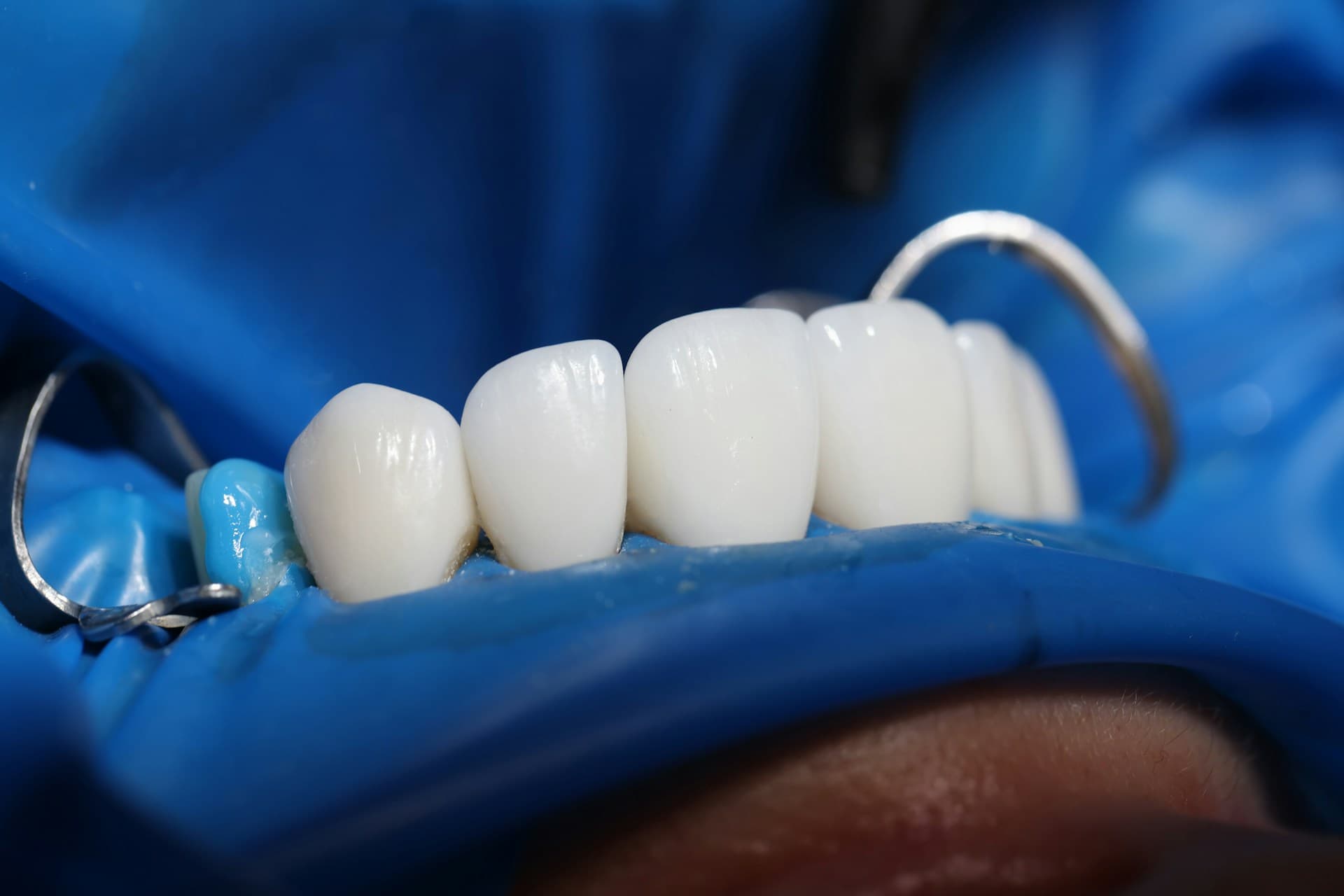
Full mouth rehabilitation — sometimes called full mouth reconstruction — is the structured rebuilding of a smile where multiple aspects of dental health and function need to be addressed together. That can include missing teeth, worn or broken teeth, longstanding gum disease, an uncomfortable bite, ageing crowns or bridges, severe acid or grinding wear, and aesthetic concerns.
What separates rehabilitation from a smile makeover is the scope and the sequencing. We're not just replacing a few crowns or adding a few veneers — we're addressing the underlying reasons your mouth ended up where it is, then rebuilding it on a stable foundation.
Why diagnosis is the most important stage
We've seen plenty of cases where beautifully made veneers or crowns have failed within a few years because nobody addressed the bite, the grinding habit or the gum disease underneath. Cosmetic dentistry on top of an unstable foundation is short-term thinking.
A proper rehabilitation starts with a careful, unhurried diagnostic phase:
- High-resolution clinical photographs from every angle
- Full digital scans of the upper and lower arches and the bite
- Comprehensive X-rays, including a 3D CBCT scan when planning implants
- Periodontal charting at every tooth
- A jaw joint and occlusal analysis
- A detailed history — sleep, snoring, reflux, diet, medical conditions
The output is a complete picture of the mouth — what's happened, why, and what's realistic to address.
Stabilise before you reconstruct
Active disease is dealt with first: decay, infection, gum disease, painful teeth. There's no point in starting a multi-tooth reconstruction with active periodontitis or ongoing acid erosion in the background.
This stage is sometimes mistaken for "the boring part" — but it's the most important. Solid foundations are what allow restorations to last 10, 20 or 30 years rather than 5.
Treatment plan with options
You'll receive a written, staged treatment plan with multiple realistic pathways — typically a more conservative option, an intermediate option, and a comprehensive option — each with its own risks, timeline and fees clearly stated. We encourage second opinions, particularly for complex cases, and we'll provide whatever records you need to make those second opinions easy.
Reconstruction: stages, not surgery marathons
We deliver treatment in logical stages — typically:
- Foundations: bite correction, splint therapy if needed, periodontal stability
- Replacing missing teeth: implants and bone grafting where appropriate
- Restoring damaged teeth: crowns, onlays and root canal therapy as needed
- Aesthetic finishing: veneers, bonding, whitening
- Maintenance plan: custom recall and splint review for the long term
Each stage is reviewed and signed off before moving on. Many patients find that staging treatment over 12–18 months — or even across calendar years — also helps with managing health-fund limits and budget.
A long-term partnership, not a one-off transaction
Full mouth rehabilitation is a multi-year commitment from both sides. We work in close communication, with photographs and notes at every stage, and a clear maintenance plan from day one. The goal isn't just a beautiful set of teeth on completion — it's teeth that stay healthy and beautiful for decades.
What to expect
Diagnostic phase
Photographs, scans, X-rays and a careful clinical examination establish what's happened to the mouth, why, and what's realistic to fix. This is the most important stage — we don't shortcut it.
Stabilising phase
Active disease (decay, gum infection, painful teeth) is addressed first. There is no point in placing beautiful crowns over unstable foundations.
Treatment plan and quote
You receive a written, staged treatment plan with multiple options — minimally invasive, intermediate, comprehensive — each with risks, timelines and fees clearly stated.
Reconstruction phase
Treatment is delivered in logical stages — typically bite correction and implants first, then crowns and veneers, then aesthetic finishing. Each stage is reviewed before moving on.
Maintenance phase
Custom recall schedule with hygiene visits, splint review (if grinding is a factor) and periodic photography to monitor wear, restorations and gum health long-term.
What to consider
- Full mouth rehabilitation is a significant clinical and financial commitment — we encourage second opinions, particularly for complex cases.
- Staging treatment over months or years is often more sensible (and sometimes safer) than trying to do everything in one phase.
- Bite, grinding and parafunctional habits must be addressed alongside the cosmetic work — otherwise the new restorations are at higher risk.
- Outcomes depend heavily on bone, gum stability, lab quality, occlusal management and home care; individual results vary.
- Some cases benefit from co-management with prosthodontists or oral surgeons; we will refer when that's the right answer.
All dental procedures carry risks. Suitability, treatment options, duration, costs and potential complications should be discussed with a registered dental practitioner. Individual results vary. Information on this page is general and not a substitute for personalised clinical advice.
Frequently asked questions
- Patients with several worn, broken or missing teeth, longstanding gum disease, an unstable bite, or a combination of all of these are typical candidates. It's also relevant for patients with severe acid erosion or grinding wear, and those whose existing restorations are reaching the end of their useful life.
Related services
Dental implants
A tooth replacement option that helps restore the look, comfort and chewing function of natural teeth. Suitability is assessed clinically, and we'll talk through the options, risks and costs before you decide.
Read moreCrowns & bridges
Custom-made porcelain crowns to protect heavily damaged teeth, and bridges to replace missing ones — designed to feel and function like natural teeth and to fit your bite, gum line and smile.
Read moreCeramic onlays
Ceramic onlays restore heavily damaged back teeth while preserving more healthy tooth than a full crown — a precision-milled porcelain restoration bonded over the chewing surface to rebuild strength and shape.
Read more

Ready to discuss full mouth rehabilitation?
Book a consultation with our Warners Bay team. We'll talk through your goals, the options available and any risks before you decide.