
Dental implants in Warners Bay & Newcastle
Signs you may benefit
- A missing tooth that affects how you chew or smile
- A tooth that's broken below the gum line and can't be saved
- Loose dentures or an uncomfortable bridge
- Bone loss after a long-standing gap
- Avoiding shaving down healthy adjacent teeth for a bridge
What dental implants are
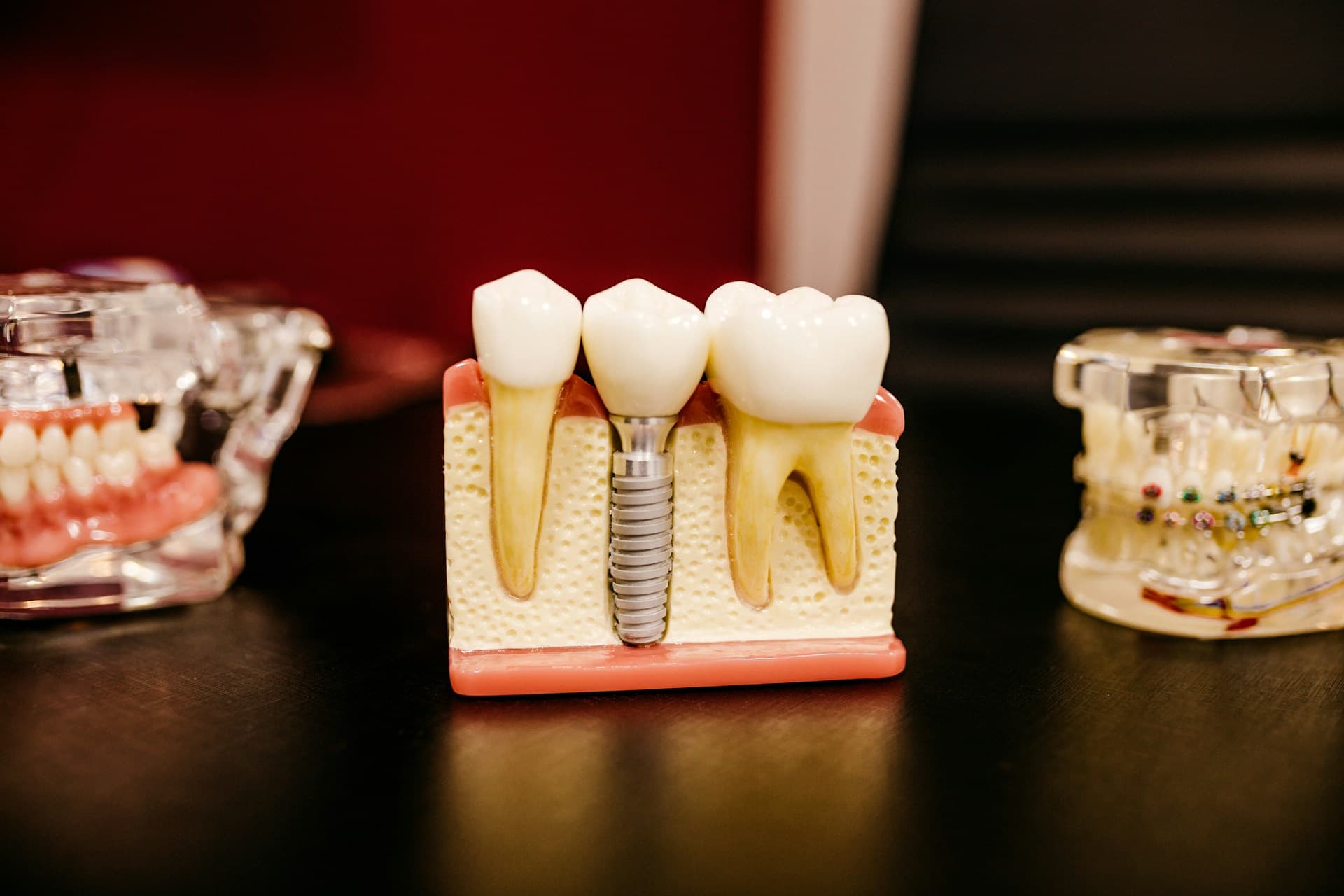
A dental implant is a small titanium post that acts as an artificial tooth root. Once it's placed in the jaw and the bone has fused around it, the post can support a single porcelain crown, a multi-tooth bridge, or even a full set of teeth in the form of an implant-supported denture.
Unlike a removable denture, an implant is fixed in place. Unlike a traditional bridge, it doesn't rely on shaving down the healthy teeth on either side. Done well, the result feels — and is brushed — like a natural tooth.
When implants make sense (and when they might not)
Implants suit many situations: a single missing tooth, several missing teeth in a row, or a complete arch where the remaining teeth are no longer functional. They're also commonly used to stabilise dentures that have become loose over time.
That said, they're not the right answer for everyone. Active gum disease, uncontrolled diabetes, heavy smoking, certain bone-density medications, and very thin jaw bone can all reduce the predictability of treatment. Where this is the case, we'll either treat the underlying issue first or talk through alternatives — including bridges, dentures, or simply leaving the gap if it's not affecting function.
Materials and technology we use
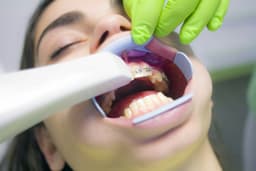
Our implant workflow is built around digital planning. We use 3D intraoral scans and CBCT imaging where indicated to map bone, nerves and the sinus before any surgery is planned. Implant components are sourced from established manufacturers with long-term clinical data.
For the visible tooth on top, we typically use porcelain (zirconia or layered ceramic) crowns matched to the colour and shape of your existing teeth. Custom abutments are milled or printed for each case so the gum profile around the implant looks natural.
Recovery and aftercare
Most people are back to light activities within 24–48 hours of an implant being placed. Mild swelling and bruising for a few days is normal. Soft foods, gentle salt-water rinses, and avoiding the surgical area when brushing are typical instructions for the first week.
Once healed, an implant needs the same daily care as a natural tooth: brushing twice a day, daily flossing or interdental cleaning, and regular professional check-ups so we can monitor the implant, the surrounding gum and your bite. We'll show you the techniques and tools that work best around your specific implant.
A note on outcomes
We don't promise a particular result, and any clinic that does should be approached with caution. Long-term success rates for well-planned implants in healthy patients are generally high — but every mouth is different, and individual results vary based on bone quality, gum health, lifestyle factors and the design of the final restoration.
That's why every implant journey at Smile Star Dental starts with a thorough consultation: so we can give you an honest, individualised picture of what's realistic in your case before any treatment begins.
What to expect
Comprehensive consultation
We review your dental and medical history, take 3D digital scans and X-rays where appropriate, and assess bone, gum and bite health. You'll receive a written treatment plan and quote.
Pre-treatment preparation
Where needed, we treat any gum disease, decay or infection first. In some cases bone grafting or sinus lift surgery is recommended before implant placement.
Implant placement
The titanium post is placed into the jaw bone under local anaesthetic, with sedation options where appropriate. Most patients return to light activities the next day.
Healing and integration
Bone fuses with the implant over 3–6 months (osseointegration). We monitor healing and may fit a temporary tooth during this period.
Crown, bridge or denture fitting
Once healed, the final tooth — a custom porcelain crown, bridge or implant-supported denture — is digitally designed and fitted.
Long-term maintenance
Implants need the same daily cleaning as natural teeth, plus regular check-ups so we can monitor the implant, gum tissue and bite over time.
What to consider
- Implants are a clinically significant surgical procedure with risks including infection, nerve injury, sinus complications and implant failure.
- Outcomes depend on bone quality, gum health, smoking status, diabetes control and home care. Individual results vary.
- Treatment usually takes 4–9 months from start to finish; complex cases can be longer.
- Costs vary widely between simple single implants and full-arch reconstructions. A written quote is provided after consultation.
- Implants are not always the right option — bridges, dentures or no replacement may suit some patients better.
All dental procedures carry risks. Suitability, treatment options, duration, costs and potential complications should be discussed with a registered dental practitioner. Individual results vary. Information on this page is general and not a substitute for personalised clinical advice.
Frequently asked questions
- A single tooth implant typically starts around $4,500 including the implant, abutment and crown. Multi-tooth and full-arch cases vary widely. We provide a detailed written quote after consultation, and confirm any rebates available through your private health fund.
Related services
Clear aligners & orthodontics
Discreet, removable aligners and traditional orthodontics for adults and teens looking to improve crowding, spacing, bite or smile aesthetics. Suitability and timeframe are assessed clinically before treatment begins.
Read moreTeeth whitening
Dentist-supervised whitening for a brighter, more even smile — using clinically formulated gels, shade-matched goals and post-treatment care to help reduce sensitivity. Suitability is checked first to make sure whitening is safe and effective for your teeth.
Read more
Ready to discuss dental implants?
Book a consultation with our Warners Bay team. We'll talk through your goals, the options available and any risks before you decide.