
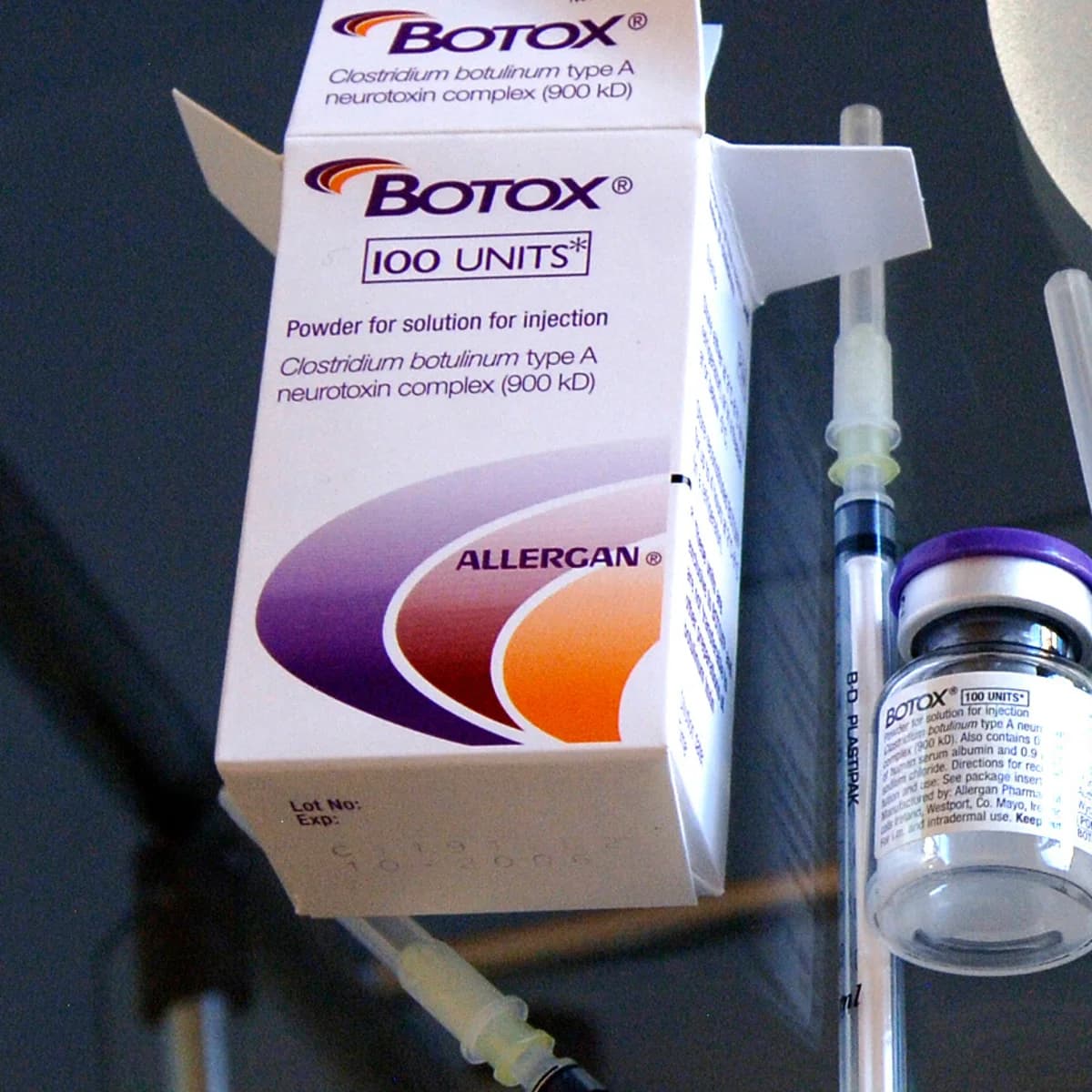
Botox for teeth grinding & jaw tension in Warners Bay
Signs you may benefit
- Persistent jaw tightness or fatigue, particularly on waking
- Frequent tension or temple headaches
- Visibly enlarged masseter (cheek) muscles
- Worn, chipped or cracked teeth from grinding
- Restorations (crowns, fillings, veneers) failing prematurely
- A bed partner reporting that you grind in your sleep
Why grinding deserves more than a night splint alone
A surprising number of patients have spent years with morning headaches, jaw tightness, sleep fragmentation and steadily worsening tooth wear — sometimes assuming it's just "the way things are". For some of those patients, a well-made night splint is enough. For others, the grinding force is severe enough that splints crack, restorations chip, headaches persist and the masseter muscles visibly bulk up over time.
Botox into the masseters can be a useful additional tool for that second group — reducing the force the muscle can generate while leaving everyday chewing and speech intact.
Bruxism is a symptom, not a diagnosis
Grinding and clenching are usually downstream of one or more of:
- Stress and anxiety
- Sleep-disordered breathing or obstructive sleep apnoea
- Occlusal interferences in the bite
- Caffeine, nicotine and certain medications
- Reflux and airway irritation
A good plan addresses as many of those drivers as practical, not just the muscle itself. That's why we won't offer Botox without first sitting down for a proper bruxism assessment — including a discussion of sleep, stress and breathing patterns. Where appropriate we refer to GPs and sleep specialists alongside dental treatment.
What the appointment is like
The injection appointment itself is short — usually 15–30 minutes. Several small injections are placed in precise locations on each masseter muscle. Most patients describe it as a brief sharp pinch, no different to other injections.
There's no downtime: you can drive home, return to work and exercise the next day. We ask you to avoid lying flat for 4 hours and avoid massaging the area for 24 hours.
What to expect afterwards
- Days 1–4: little to no obvious change. The medication is settling into the muscle.
- Days 5–10: progressive reduction in jaw tightness and morning soreness. Some patients notice tension-type headaches easing.
- Weeks 2–3: full effect. Grinding force is meaningfully reduced. Some patients report sleeping better.
- Months 3–4: effect gradually fades as the medication wears off. Re-treatment is timed before symptoms fully return.
A small percentage of patients see only modest benefit — we are honest about that possibility up-front and don't pre-sell long packages.
Working alongside other treatment
Botox isn't a substitute for treating broken teeth, addressing sleep apnoea, or wearing a night splint when one is indicated. It works best as part of a plan that addresses the underlying drivers and protects the teeth themselves, often alongside crowns or onlays for already-damaged teeth.
What to expect
Bruxism assessment
We assess tooth wear, restorations, jaw joint function, posture, sleep history and tension headaches. Botox is one part of a broader plan — not a standalone fix.
Treatment planning
We discuss whether Botox is appropriate, alongside or instead of options like a night splint, occlusal adjustment, sleep referral or stress management. You receive a written plan and quote.
Injection appointment
Several small precise injections are placed into the masseter muscles on each side. The whole appointment usually takes around 15–30 minutes.
Onset and review
Most patients notice reduced jaw tension and grinding force within 5–10 days, with full effect at 2–3 weeks. We review at 4–6 weeks.
Maintenance and reassessment
Effects typically last 3–4 months. Top-ups, dose adjustments or stepping back to splint-only therapy are decided at each review.
What to consider
- Botox is a prescription-only neurotoxin. Side effects can include bruising, mild asymmetry, temporary chewing fatigue and reduced bite force. Rare but more serious reactions can occur — these are explained at consultation.
- Botox doesn't fix the underlying cause of grinding (stress, sleep-disordered breathing, occlusion). It manages a symptom and is most effective when combined with a comprehensive plan.
- Effects are temporary — typically 3–4 months — and ongoing maintenance is required to sustain benefit.
- Not suitable in pregnancy, breastfeeding or in patients with certain neuromuscular conditions; we screen for contraindications at consultation.
- Outcomes vary case by case; some patients respond very well, others see only modest benefit. We are honest about this up-front.
All dental procedures carry risks. Suitability, treatment options, duration, costs and potential complications should be discussed with a registered dental practitioner. Individual results vary. Information on this page is general and not a substitute for personalised clinical advice.
Frequently asked questions
- Botulinum toxin partially relaxes the masseter muscle — the main muscle that closes the jaw. By reducing the force the muscle can produce, the intensity of clenching and grinding drops. This relieves muscle tension and tension-type headaches and reduces the load on teeth and restorations.
Related services
Penthrox (green whistle) pain relief
A patient-controlled, fast-acting inhaled analgesic used during dental procedures — particularly helpful for anxious patients and longer appointments where strong, short-lived comfort is the goal without IV sedation.
Read moreIn-chair TV & noise-cancelling headphones
Ceiling-mounted TV screens and premium noise-cancelling headphones designed to take the edge off dental visits — a small detail that makes a real difference for anxious patients, longer appointments and busy parents.
Read moreCeramic onlays
Ceramic onlays restore heavily damaged back teeth while preserving more healthy tooth than a full crown — a precision-milled porcelain restoration bonded over the chewing surface to rebuild strength and shape.
Read more

Ready to discuss botox for teeth grinding?
Book a consultation with our Warners Bay team. We'll talk through your goals, the options available and any risks before you decide.