Myofunctional therapy in Warners Bay
Signs you may benefit
- Tongue thrusting or an open-mouth rest posture
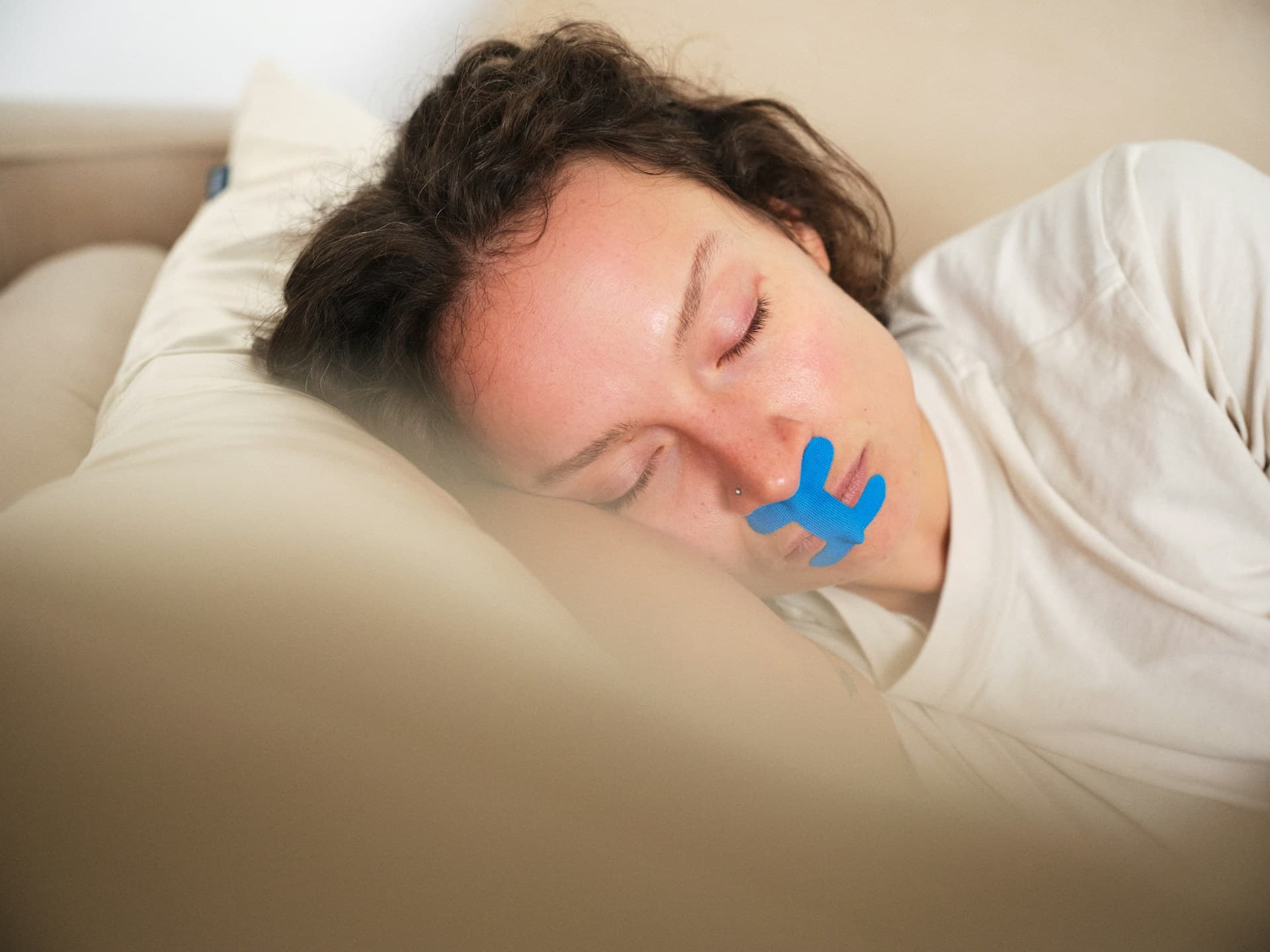
- Mouth breathing during the day or at night
- Lips that do not meet at rest
- A messy or reverse swallow, or food pocketing
- An open bite or teeth that do not meet at the front
- Thumb sucking, dummy use, or a low tongue posture into the school years
- Snoring or restless sleep alongside the habits above
What myofunctional therapy is actually for
The teeth sit in a balance of muscle forces: tongue, lips, cheeks, and the way you breathe. When that balance is off — a low tongue, lips apart, a tongue-thrust swallow, chronic mouth breathing — jaws and bites tend to follow. Crowding, an open bite, and a narrower palate are often the visible end of that pattern, not the start.
Orofacial myofunctional therapy is the work of retraining those muscles so the rest posture and swallow support, rather than fight, the teeth and airway. It is not massage, not a gadget, and not a substitute for medical care when the nose is blocked or sleep apnoea is already diagnosed.
We use it for patterns such as:
- Tongue thrusting
- Lip incompetence (lips that do not meet at rest)
- Habitual mouth breathing once the nose has been medically assessed
- Immature or reverse swallow
- Muscle weakness after illness, where function needs rebuilding
- Habit support alongside child airway development or sleep appliances
How it helps — and where it does not
By restoring a more stable rest position and swallow, therapy can support orthodontic stability, make nasal breathing more automatic, and reduce the daytime habits that keep an airway in a poor pattern. We often combine it with other care rather than offering it as a standalone “fix”.
It will not:
- Straighten teeth on its own
- Unblock adenoids, a deviated septum, or untreated allergies
- Diagnose or treat obstructive sleep apnoea
- Replace a speech pathologist when speech or feeding is the primary problem
Those limits are why the first appointment is an assessment, not a sales pitch for a long course.
What a course of visits looks like
Dr Melody Healy assesses function in the chair and teaches exercises you can actually do — tongue-to-palate holds, nasal-breathing drills, lip-seal work, and swallow practice. Care is tailored: a school-aged child with a dummy habit needs a different program from an adult in aligners who still swallows against the front teeth.
Most people need a handful of review visits spread over weeks, not a single long appointment. Between visits, short daily sessions matter more than intensity. We would rather you practise five minutes well than twenty minutes poorly.
Weakness after illness is approached the same way: repeated, correct use of the muscles, sometimes with simple therapy aids, until the pattern is automatic again.
Children, adults and timing
Therapy can be appropriate at many ages. In growing children it is often timed with jaw development and, when needed, a conversation about tongue-tie based on function, not how the frenum looks. In teenagers and adults it may sit beside clear aligners so the muscles do not push teeth back toward their old positions.
If your child already has an airway review booked, we will not duplicate that work — we will fold myofunctional goals into the same plan.
Working as a team
Referrals from other dentists, GPs and therapists are welcome. We can run the exercise program while you keep your family dentist, and we write back so everyone knows what is being practised and why.
We also refer out when that is the honest next step: ENT for the nose and tonsils, a sleep physician for suspected apnoea, a speech pathologist for speech or feeding, an orthodontist when the bite is beyond a general practice appliance.
Starting
If tongue thrust, mouth breathing, an open lip posture or a stubborn swallow sounds familiar, book an assessment. You will leave with a clear view of whether exercises are enough, whether another specialist should see you first, and what home practice would involve — before any course of visits is agreed.
What to expect
Functional assessment
We look at tongue mobility and rest position, lip seal, nasal versus mouth breathing, swallow pattern, palate shape and any restriction such as a tongue-tie. Photos and scans are used when they add clarity.
A plan that matches the problem
Not every habit needs a full therapy program. Some patients leave with two or three exercises and a review. Others need a course of visits because the pattern is driving crowding, an open bite, or sleep-disordered breathing risk.
In-chair coaching
Appointments teach the next set of exercises — tongue posture, nasal breathing, lip strength, swallow — and check that you can do them correctly. A 30-minute visit does not retrain a muscle; the homework does.
Home practice
Daily short sessions at home are the treatment. We can provide simple charts so children (and adults) can tick off practice. Without that consistency, the chair-side work will not hold.
Review and integration
We reassess function and decide whether to continue, pause, or combine therapy with an appliance, aligners, or a child airway plan. Complex speech or feeding issues are shared with a speech pathologist.
What to consider
- Myofunctional therapy supports muscle function; it does not replace medical treatment for sleep apnoea, nasal obstruction, or a bite that needs orthodontics or surgery.
- Benefits depend on doing the exercises often and correctly. A weekly visit cannot compensate for skipped home practice.
- Tongue-tie release is a separate clinical decision based on function, not appearance — we do not recommend it as a routine add-on to therapy.
- Fees vary with the number of visits required. Some health funds may contribute when the work is dentally indicated; many patients pay privately. We quote before you start.
- Outcomes vary with age, anatomy, allergies, cooperation and other treatment underway. Individual results vary.
All dental procedures carry risks. Suitability, treatment options, duration, costs and potential complications should be discussed with a registered dental practitioner. Individual results vary. Information on this page is general and not a substitute for personalised clinical advice.
Frequently asked questions
- It is a set of targeted exercises that retrain the muscles of the tongue, lips, cheeks and face so they rest and work in a more stable pattern — typically nasal breathing, tongue against the palate, lips gently together, and a swallow that does not thrust the tongue against the teeth.
Related services
Child airway development
Mouth breathing, snoring, restless sleep, narrow palates and crowded teeth in childhood are often signs of underdeveloped airway and jaw growth. Early assessment can guide treatment while facial growth is still on your child's side.
Read moreSleep apnoea & snoring
Snoring, unrefreshing sleep and daytime fatigue can be linked to how the jaw, tongue and airway sit at night. We screen during check-ups and, when a sleep physician supports it, can fit a custom oral appliance.
Read moreClear aligners & orthodontics
Discreet, removable aligners and traditional orthodontics for adults and teens looking to improve crowding, spacing, bite or smile aesthetics. Suitability and timeframe are assessed clinically before treatment begins.
Read more

Ready to discuss myofunctional therapy?
Book a consultation with our Warners Bay team. We'll talk through your goals, the options available and any risks before you decide.