

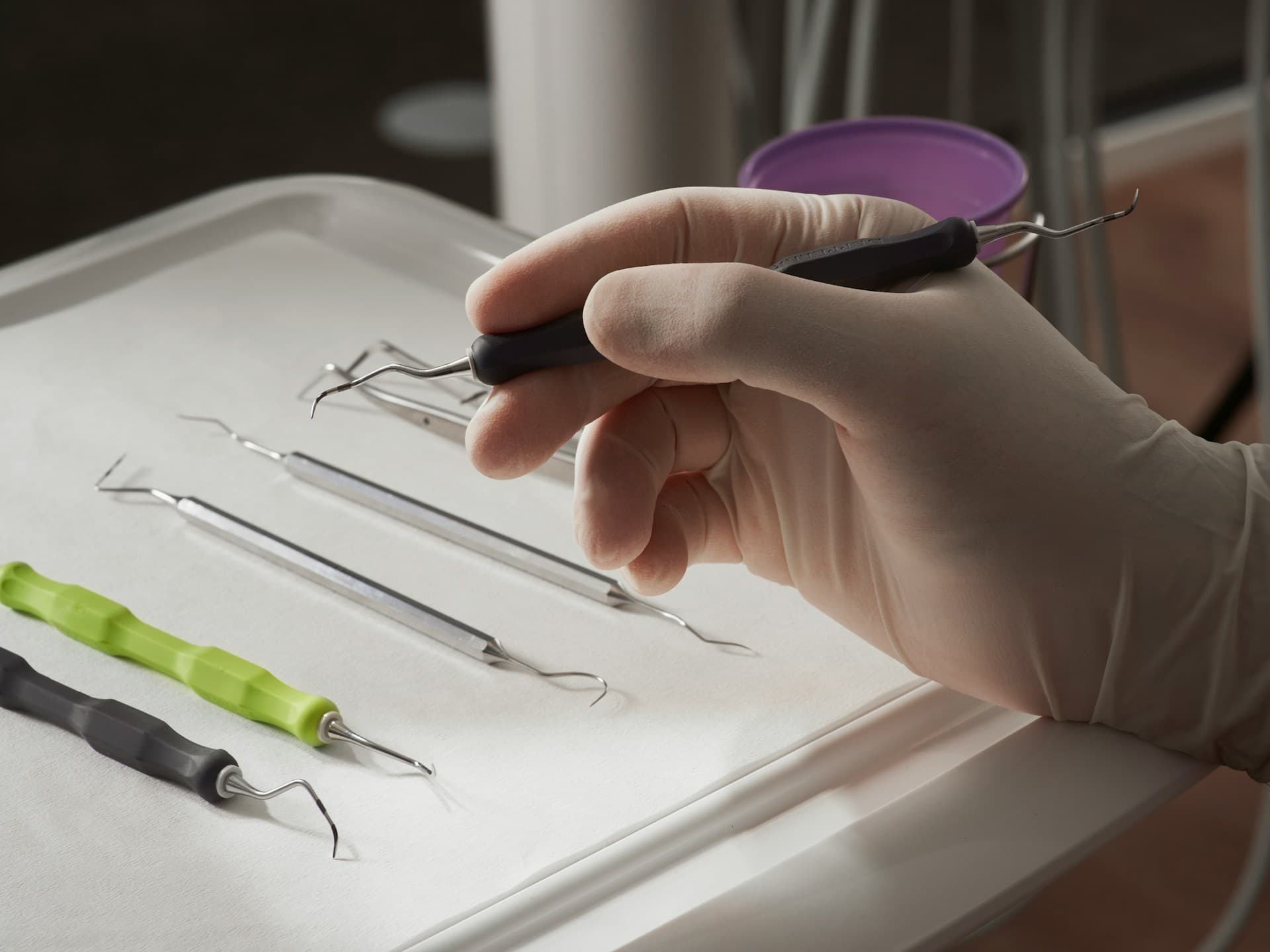
Gum health maintenance in Warners Bay
Signs you may benefit
- You've had a course of gum disease treatment
- You've had implants placed and want to keep them stable
- Family history of severe gum disease or early tooth loss
- You're a smoker or have well-controlled diabetes
- Pregnancy planning or already pregnant
Why maintenance is the most important phase
Most patients (and many clinics) talk about gum disease as something you "get treated" once. The reality is more like managing high blood pressure or asthma — initial treatment gets things under control, but the long-term result depends on the maintenance phase.
International periodontal research is consistent on this: patients who attend regular structured maintenance after treatment for periodontitis maintain their teeth at far higher rates than patients who stop attending or attend only generic 6-monthly cleans. The mechanism is simple — bacterial biofilm in deep pockets repopulates to disease-driving levels in roughly 3 months, regardless of home care.
What "supportive periodontal therapy" actually involves
A maintenance appointment at Smile Star Dental isn't just a clean. It's a structured visit that includes:
- Pocket re-charting at vulnerable sites to detect early relapse
- Bleeding assessment as a marker of inflammation
- Targeted instrumentation around problem areas
- Plaque score and home-care review
- Risk-factor update — smoking, diabetes, medications, life events
- Implant-specific protocols for any implants you have
If something is shifting, we catch it on the chart well before it shows up as bone loss on an X-ray.
Home routine matters as much as the chair
We'll go through:
- The right manual or electric brush for you — not just any electric brush
- Interdental brushes sized for each space (small interdental brushes generally beat floss in patients with treated gum disease)
- Realistic morning and evening routines you'll actually do
- The role and limits of mouthwashes
- Diet patterns that affect gum health
The single biggest predictor of long-term success isn't expensive products — it's consistency at home, supported by structured visits.
Adjusting to life changes
Pregnancy, new medications, illness, life stress, dental treatment elsewhere — all of these can affect gum stability. Maintenance is the place we recalibrate. The right recall interval, the right home-care tools, even the right clinical approach all flex with your life. It's not a static program.
When to step back into active treatment
If sites become unstable — pockets deepening, bleeding increasing, mobility appearing — we step you back into a focused active treatment phase rather than letting things drift. Sometimes that means localised treatment of a few problem teeth; occasionally a more involved re-treatment or referral to a specialist periodontist. The goal is the same in every case: keep your teeth, your bone, and your smile, for as long as possible.
What to expect
Assessment update
We re-measure pocket depths, check bleeding patterns, and compare findings with previous visits to detect any subtle change early — before symptoms appear.
Targeted hygiene
We focus cleaning effort on sites that have historically been problem areas, removing plaque and tartar while being gentle with already-treated tissues.
Home-care review
We watch you brush and clean interdentally, troubleshoot tricky areas, and update the tool list as your needs change (different teeth, new restorations, age-related dexterity).
Risk update
Smoking, diabetes, medications, pregnancy and life stress all affect gum stability. We update your risk profile so the recall interval can flex as your life changes.
Plan adjustment
If sites are becoming unstable, we may step you back into a focused [active treatment phase](/services/gum-disease-treatment), refer to a specialist periodontist, or simply tighten the interval. Maintenance is dynamic, not static.
What to consider
- Gum disease is a chronic condition — without ongoing maintenance, relapse rates are high, even after successful initial treatment.
- The right recall interval is patient-specific; the standard 6-month recall is often too long for treated gum disease.
- Smoking remains the single biggest modifiable risk factor for relapse; we offer support without judgement.
- Implants need their own dedicated peri-implant maintenance protocol.
- Outcomes depend on home routine, medical management and consistent attendance. Individual results vary.
All dental procedures carry risks. Suitability, treatment options, duration, costs and potential complications should be discussed with a registered dental practitioner. Individual results vary. Information on this page is general and not a substitute for personalised clinical advice.
Frequently asked questions
- Bacterial plaque has been shown to repopulate gum pockets to disease-driving levels in roughly 3 months, even with great home care. For patients who've never had gum disease, 6 months is usually fine. For patients with treated periodontitis, the evidence — and our experience — strongly supports 3–4 monthly intervals.
Related services
Gum disease treatment
Bleeding, receding or unstable gums respond well to early, structured treatment — and addressing gum disease early is one of the most important things you can do to protect both your teeth and your general health.
Read moreDental check-ups & cleans
Comprehensive examinations and professional cleans designed to keep teeth, gums and the surrounding tissues healthy — and to catch problems early, while they're still small and inexpensive to treat.
Read moreDental implants
A tooth replacement option that helps restore the look, comfort and chewing function of natural teeth. Suitability is assessed clinically, and we'll talk through the options, risks and costs before you decide.
Read more



Ready to discuss gum health maintenance?
Book a consultation with our Warners Bay team. We'll talk through your goals, the options available and any risks before you decide.